
Protecting equipment, materials and personnel requires more than simply locking the gates at the end of the day.
A well-planned security strategy helps reduce disruption, supports safe working practices and protects valuable assets.
Understanding The Challenges
Construction risks vary by project, location, working pattern and stage of build. The most effective approach starts by identifying where disruption is most likely to occur.
Theft Of Tools And Plant
Identify valuable equipment early, agree secure storage and make out-of-hours checks part of the site plan.
Trespassing
Review perimeter weaknesses and use clear access arrangements to reduce unauthorised entry.
Unauthorised Vehicle Access
Keep vehicle routes controlled and record deliveries, visitors and contractor movements.
Vandalism
Regular patrols and clear reporting help site teams identify damage quickly and take proportionate action.
Material Theft
Plan storage locations, delivery timing and checks for materials that are attractive or easy to remove.
Out-Of-Hours Access
Agree lock-and-unlock routines, escalation contacts and patrol arrangements before the site is empty.
Practical Measures That Make A Difference
Effective construction security services combine clear access control, regular checks and communication with site management.
Access control
Controlled entry helps confirm who is on site and supports safe working practices.
Site perimeter security
Regular checks help identify damage, weak points and areas where access could be improved.
Visitor and contractor management
Clear records support accountability and help site managers understand daily movement.
Security patrols
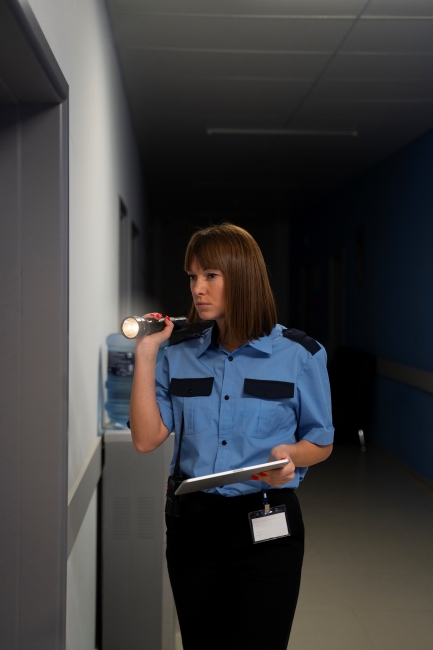
Patrols provide visible checks of agreed areas, especially during quiet or out-of-hours periods.
Lighting
Appropriate lighting can support safer movement and make unauthorised activity easier to identify.
Reporting procedures
Consistent reporting gives site managers useful information about incidents, concerns and actions taken.
Lock-and-unlock routines
Agreed opening and closing procedures reduce confusion and support site continuity.
Communication with site management
Security works best when officers and site teams share clear expectations and escalation routes.
Planning Before Problems Arise
Construction security should be considered before work begins, not after a problem has occurred.
Site layout, working hours, high-value assets, delivery schedules and temporary changes all affect the level of support required. Risks also change as projects progress, so the plan should be reviewed throughout the build.
More Than A Visible Presence
Professional officers can support controlled access, contractor management, patrols, incident reporting, emergency response and communication with site teams.
The emphasis should be professionalism and communication. Officers should understand their assignment instructions and know when to escalate concerns.
Five Practical Tips
Keep access arrangements simple and controlled.
Review site security regularly as the project develops.
Maintain clear visitor records.
Protect valuable equipment outside working hours.
Encourage staff to report security concerns promptly.
Why Planning Matters
Every construction project differs in size, layout and risk. A tailored security approach is generally more effective than a standard deployment.
SSG’s structured approach is explained in more detail on our security delivery process page.
Reactive Security Vs Planned Security
| Reactive Security | Planned Security |
|---|---|
| Responds after an issue has already disrupted the site. | Reviews risks early and agrees controls before work begins. |
| Uses unclear access rules that can confuse visitors and contractors. | Uses simple instructions, visitor records and agreed escalation contacts. |
| Treats all project stages the same. | Reviews the service as the site layout and working pattern change. |
| Provides limited information to site management. | Uses reporting to record concerns, attendance and actions taken. |
Construction Site Security Checklist
Professional Support Throughout Your Project
SSG can provide construction security officers, mobile patrols and key-holding support, access control, lock-and-unlock services, site support and professional reporting.
Review relevant case studies, learn more about SSG Securities or contact the team to discuss your site.
Planning Security For Your Construction Site?
Whether you’re managing a short-term refurbishment or a major construction project, SSG Securities can provide professional security support tailored to your site.
Frequently Asked Questions
Why is construction site security important?
Construction sites often contain valuable equipment, materials and temporary access points. Planned security helps protect assets and support safe site operation.
Should security change as the project progresses?
Yes. Site layout, working hours, access routes and asset locations can change throughout a project, so arrangements should be reviewed regularly.
Can security officers control contractor access?
Yes. Officers can support agreed access procedures, visitor records and contractor movements in line with site instructions.
What happens outside working hours?
Out-of-hours arrangements may include patrols, lock-and-unlock duties, escalation procedures and checks of agreed areas.
Can mobile patrols be suitable for smaller sites?
Mobile patrols can suit some smaller or temporary sites where a permanent officer is not required, subject to the site risk profile and agreed arrangements.
This article provides general guidance only. Security arrangements should always be planned according to the specific risks and requirements of each site.
Planning, Communication And Delivery
Effective construction security combines planning, communication and professional operational delivery. A clear plan helps site teams protect people, equipment and materials while supporting the normal pace of the project.